

Welcome to another enlightening piece from Growth Pioneer, where we are committed to your personal growth and transformation. Today, we delve into a topic that’s often overlooked but plays a crucial role in personal development—home aesthetics.
Have you ever walked into a room and felt an immediate sense of calm and tranquility? Or perhaps you’ve entered a space that made you feel uneasy or stressed? The aesthetics of your home can significantly impact your mental well-being, and by extension, your personal development journey.
In this comprehensive guide, we’ll explore the concept of home aesthetics and its various elements, the psychological impact of a well-designed home, and how you can leverage this to contribute to your personal growth. Whether you’re interested in improving the quality of your sleep, enhancing your mental clarity, or simply creating a more harmonious living environment, this guide has got you covered.
Please note that while this blog post doesn’t contain any affiliate links, some of our other content might. So, feel free to explore and make informed decisions!
So, let’s embark on this journey to understand why home aesthetics are not just about beauty but also about nurturing your soul and aiding your personal development.
What Are Home Aesthetics?
When we talk about home aesthetics, we’re not merely discussing interior design or home decor. Home aesthetics encompass a broader spectrum that includes the layout, color schemes, lighting, furniture, and even the textures and materials used within your living space. It’s the art and science of creating an environment that not only looks good but also feels good.
Elements of Home Aesthetics
- Layout. The arrangement of furniture and other elements can significantly affect how spacious or cramped a room feels. A well-thought-out layout can create a flow that makes navigation easier and more intuitive.
- Color Schemes. Colors have psychological impacts. For example, blues and greens are often associated with calmness, while reds and oranges can evoke energy and passion.
- Lighting. Natural light can uplift your mood, while the right artificial lighting can set the tone for different activities, be it work, relaxation, or sleep.
- Furniture. The type and arrangement of furniture can either enhance or detract from your home’s aesthetic appeal. Ergonomic furniture can also contribute to physical well-being.
- Textures and Materials. The feel of your home can be influenced by the materials you choose. For instance, natural materials like wood and stone can bring warmth and earthiness.
- Decor. Last but not least, decorative elements like artwork, plants, and accessories can add the finishing touches to your aesthetic vision.
Understanding these elements can help you create a space that not only aligns with your personal style but also contributes to your mental and emotional well-being. It’s not just about creating a “pretty” home—it’s about creating a space where you can thrive.
So, as you read on, remember that home aesthetics are not just superficial. They are deeply intertwined with your personal development journey, affecting everything from your mood to your productivity and even your quality of sleep.
The Psychological Impact of Home Aesthetics
The aesthetics of your home do more than just please the eye—they have a profound impact on your psychological well-being. A well-designed home can be a sanctuary, a place where you can retreat from the stresses of the outside world and find peace and inspiration.
- Mood Enhancement. Colors, lighting, and layout all play a role in influencing your mood. For instance, a room painted in calming shades of blue or green can help reduce stress and anxiety, while bright, vibrant colors like yellow can uplift your spirits.
- Improved Focus and Productivity. A clutter-free, well-organized space can significantly enhance your ability to focus. The absence of distractions allows your mind to concentrate on tasks, thereby boosting productivity. This is particularly beneficial for those who work or study from home.
- Better Sleep Quality. The aesthetics of your bedroom, including the color scheme and lighting, can influence the quality of your sleep. Soft, muted colors and dimmable lights can create a relaxing atmosphere conducive to a good night’s sleep, which is essential for overall mental health.
- Emotional Well-being. A home that reflects your personal style and values can also boost your self-esteem and sense of belonging. Surrounding yourself with objects and colors that resonate with you can make you feel more at home, literally and metaphorically.
- Stress Reduction. Natural elements like plants or water features can bring a sense of tranquility and reduce stress levels. The inclusion of such elements is often a key aspect of Zen and minimalist design philosophies, which aim to create peaceful, harmonious spaces.
In conclusion, the aesthetics of your home are not just a matter of personal preference—they have real, measurable effects on your psychological well-being. By making thoughtful choices in your home design, you can create a space that nurtures your mental and emotional health, thereby contributing to your overall personal development.
Home Aesthetics and Personal Development
The aesthetics of your home are not just about creating a visually pleasing environment—they also play a crucial role in your personal development journey. Your living space can either hinder or foster your growth, depending on how it’s designed and organized. Here’s how home aesthetics contribute to personal development:
- Self-Expression and Identity. Your home is an extension of yourself. The way you decorate and organize your space can be a form of self-expression, allowing you to showcase your personality, interests, and values. This, in turn, can boost your self-confidence and help you gain a clearer understanding of your identity.
- Motivation and Inspiration. A well-designed home can serve as a source of motivation and inspiration. Whether it’s an inspiring quote on the wall, a piece of art that moves you, or a dedicated workspace that fuels your creativity, the aesthetics of your home can encourage you to reach your personal and professional goals.
- Mindfulness and Mental Clarity. The design elements you choose can also promote mindfulness. Minimalist designs, for example, encourage you to focus on the present moment, thereby enhancing mental clarity and decision-making skills. This is particularly beneficial for those looking to grow in their careers or personal lives.
- Social Connections. The aesthetics of your home can also impact your social life, which is an essential aspect of personal development. A welcoming and comfortable environment encourages social interactions, deepens relationships, and can even improve your communication skills.
- Work-Life Balance. For those who work from home, creating a distinct and aesthetically pleasing workspace can help maintain a healthy work-life balance. This separation allows you to switch off from work mode more easily, contributing to better mental health and personal growth.
In summary, the aesthetics of your home can significantly impact various aspects of your personal development, from self-expression and motivation to mindfulness and social connections. By being mindful of how you design your living space, you can create an environment that nurtures your growth in multiple dimensions.
Zen Spaces for Mental Clarity
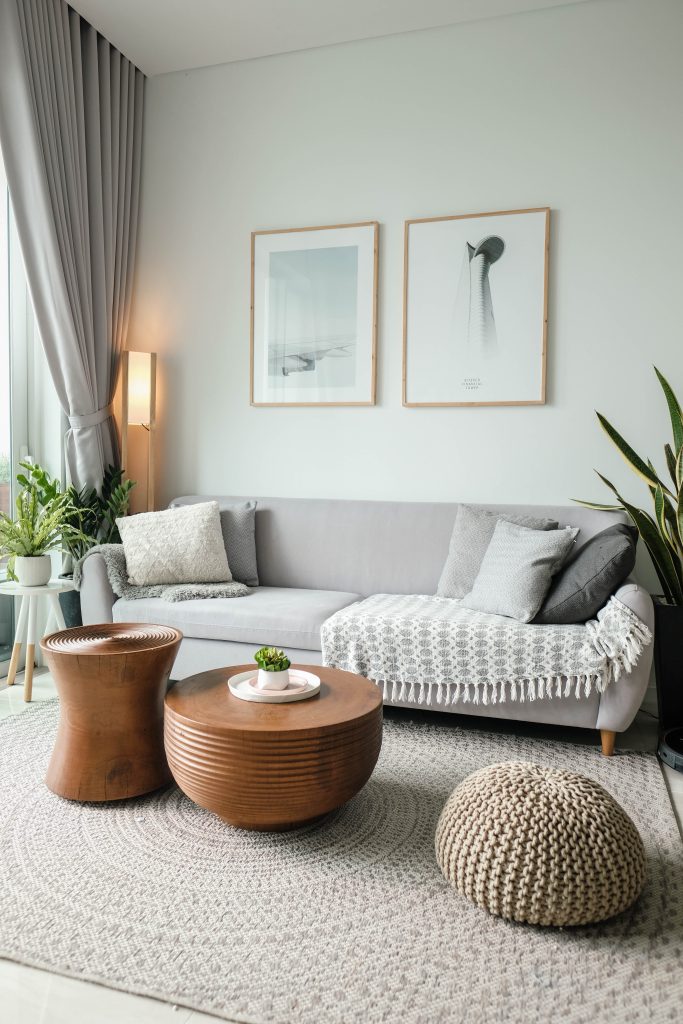
Photo by Minh Pham on Unsplash
In the realm of home aesthetics, Zen spaces hold a special place, particularly when it comes to mental clarity and personal development. A Zen space is a designated area in your home designed to promote relaxation, mindfulness, and a sense of peace. But how exactly do these spaces contribute to mental clarity? Let’s delve into the details.
- A Sanctuary for the Mind. A Zen space serves as a sanctuary for your mind, offering a respite from the chaos and distractions of everyday life. This sanctuary effect can be particularly beneficial for mental clarity, helping you focus and make better decisions.
- Mindfulness and Presence. Zen spaces often incorporate elements that encourage mindfulness, such as soft lighting, calming colors, and natural materials. These elements help you become more present, which is a key factor in achieving mental clarity.
- Stress Reduction. The tranquil environment of a Zen space helps in reducing stress and anxiety levels. Lower stress levels are directly linked to improved mental clarity, as stress often clouds judgment and impairs decision-making abilities.
- Enhanced Creativity. A Zen space can also be a breeding ground for creativity. The calm and peaceful atmosphere allows your mind to wander freely, fostering creative thinking that can contribute to personal and professional growth.
In summary, Zen spaces are not just aesthetically pleasing; they are functional spaces that contribute to mental clarity and, by extension, personal development. Incorporating a Zen space into your home aesthetics can be a transformative experience, offering a multitude of benefits for your mental well-being.
Practical Tips for Improving Home Aesthetics
So, you’re convinced that home aesthetics can play a significant role in your personal development. The question now is, how can you enhance the aesthetic quality of your home? Here are some practical tips to get you started on this transformative journey.
- Start with a Clean Slate. Before you add any new elements, declutter your living space. A clean, organized environment is the first step toward creating a home that fosters personal growth.
- Choose a Cohesive Color Scheme. Colors have a psychological impact. Choose a color scheme that resonates with your personality and contributes to a sense of well-being.
- Invest in Quality Furniture. Furniture is not just functional—it’s also an aesthetic element. Invest in pieces that are both beautiful and comfortable to elevate the look and feel of your home.
- Incorporate Art and Decor. Art and decor can add layers of meaning and beauty to your home. Choose pieces that inspire you and contribute to your personal development goals.
- Use Natural Elements. As we discussed in the Zen spaces section, natural elements like plants can enhance mental clarity. They also add a touch of natural beauty to your home.
- Pay Attention to Lighting. Lighting can make or break a space. Use a mix of natural and artificial lighting to create a balanced, inviting atmosphere.
Improving your home’s aesthetics is not just about making it look good—it’s about creating an environment that nurtures your personal growth. By implementing these practical tips, you can take a significant step toward becoming the best version of yourself.
Conclusion
As we’ve explored throughout this comprehensive guide, the aesthetics of your home are far more than just a superficial concern. They play a pivotal role in your personal development, affecting everything from your psychological well-being to your ability to focus and grow. Whether it’s choosing a cohesive color scheme, investing in quality furniture, or incorporating Zen spaces for mental clarity, each element contributes to creating an environment that nurtures your physical, mental, and spiritual well-being. We encourage you to take steps to improve the aesthetic quality of your home as a pathway to personal development. Remember, your environment is a reflection of your inner state, and by enhancing your surroundings, you’re also investing in yourself. At Growth Pioneer, we’re committed to empowering you to become the best version of yourself. So why not start with your home? It’s the space where you spend a significant amount of time, and it should serve as a sanctuary that aids in your personal growth journey.